


Leadership communication is not just about speaking clearly. It is about knowing what needs to be said, understanding what the moment requires, and communicating in a way people can actually hear, especially when the stakes are high.
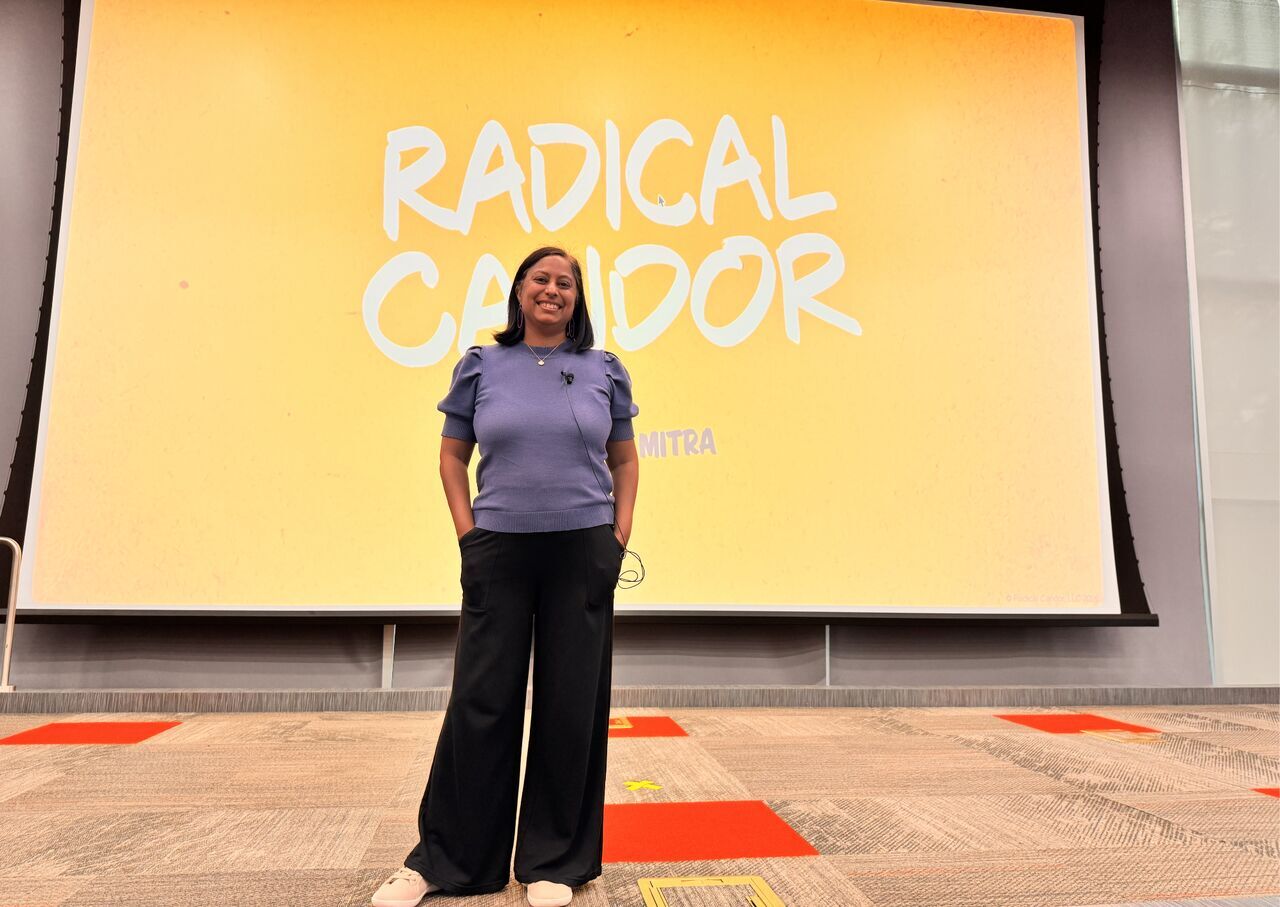
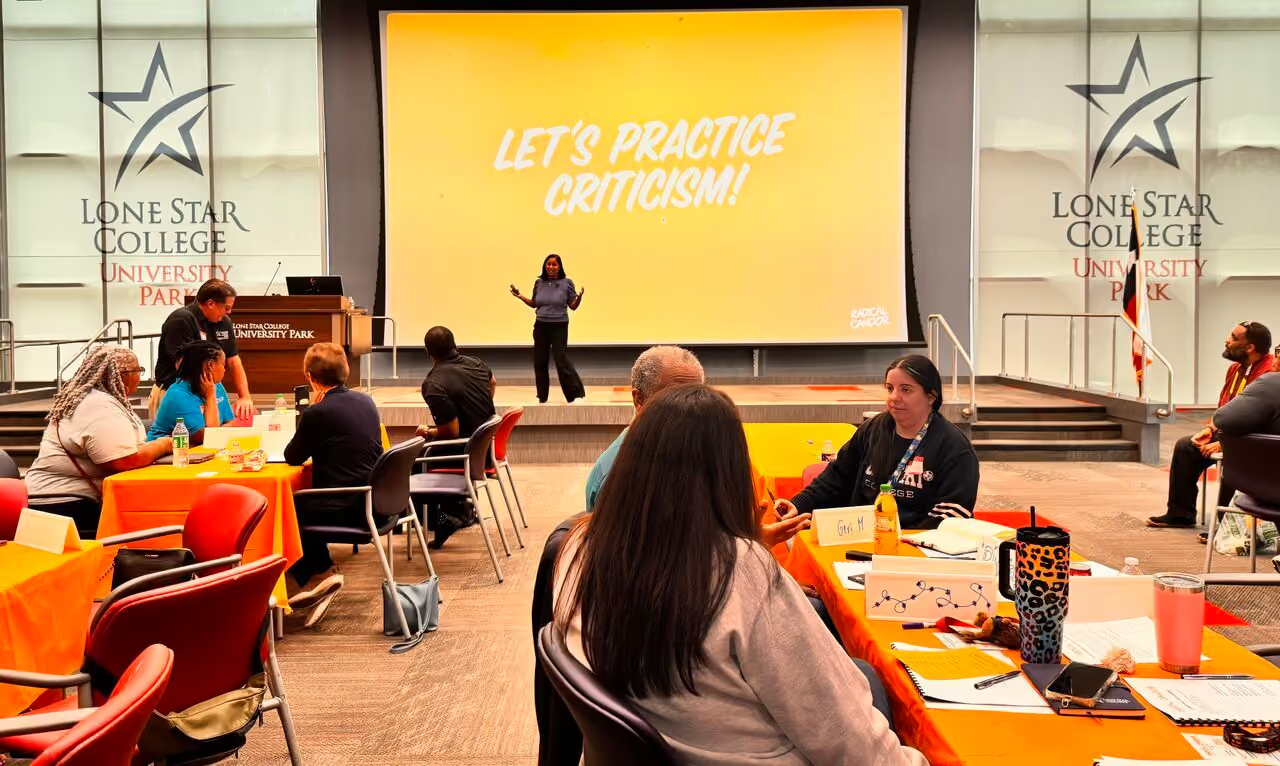
Farrah Mitra works with senior leaders who need to communicate under pressure, navigate difficult conversations, and lead through uncertainty. Her coaching combines mindset work with practical skill building, so leaders do not simply understand communication differently. They become more capable of doing it, in the room, when it counts. Everything is mindset driven. People recognise the behaviour they want to change. They know they need to stop avoiding the hard conversation. They know the dread is not serving them. But the bridge from awareness to execution does not always exist on its own. That bridge is the work.
Say it with authority. Don't sound like you're apologizing for existing.
Executive Communication
Senior leaders regularly communicate when the stakes are high: board decisions, organisational change, performance conversations, strategic shifts, feedback, conflict. The quality of that communication shapes trust, execution, and what happens next.
It is rarely about eloquence. It is about clarity under pressure, and knowing what the moment actually requires rather than defaulting to a familiar script that worked in a different context.
Twelve years at Bain & Company, then People leadership at two hyper-growth tech companies, means Farrah understands what it takes to operate at a high level under real business pressure. She brings both sides into coaching, the human and the commercial, so leaders leave with a mindset shift and a repeatable skillset, not just a conversation they felt good about at the time.

Communicating Under Pressure
Pressure changes how people communicate.
Some become overly direct and lose the room.
Some soften the message until the meaning disappears entirely, and the audience walks away unsure what was actually decided. Others avoid the conversation altogether and let it compound, which almost always makes the eventual conversation harder, not easier. Effective leadership communication starts with understanding what is happening internally for the leader, then building the practical skill required for the specific situation in front of them, rather than applying a generic communication style to every situation regardless of fit.
The Cost of Getting Leadership Communication Wrong
Poor executive communication rarely fails loudly. It fails quietly, in the form of a team that stops bringing up problems early because the last time someone did, the response felt dismissive.
In a board that starts asking more pointed questions because confidence in a previous update turned out to be overstated. In direct reports who nod in meetings and then do something different once they leave the room, because what was said did not actually land as intended.
These costs compound. A leader who gets one high-stakes communication wrong often spends the next several months rebuilding a level of trust that took years to establish in the first place.
Communication Under Normal Conditions vs Under Pressure
Most leaders communicate reasonably well when the stakes are low and the timeline is generous.
The real test comes when both disappear at once, a board question with no clear good answer, a team that needs to hear something difficult today rather than next week, a conversation that cannot be rescheduled without making things worse.
The gap between how someone communicates under normal conditions and how they communicate under real pressure is usually the actual measure of their leadership communication skill, not how articulate they sound in a calm one-on-one.
Mindset First, Skillset Second, Both Always
Most coaching gives leaders insight into what they should say and stops there.
This approach goes further: not just teaching leaders what to say, but teaching them to understand why it is hard to say it, so the words that come out are natural, not performed.
When the mindset shifts, the skillset sticks. That is the difference between coaching that fades after one good session and change that actually holds. Once that happens, people can actually do the thing, not just feel better about it.
What This Looks Like in Practice
Most coaching addresses skills or behaviours in isolation, teaching a leader what to say without addressing why the words do not come naturally.
This goes deeper, identifying the pattern behind the behaviour, the old story or autopilot reaction that is running the show underneath it, and rewriting it before building the skillset on top of a foundation that can actually hold it under real pressure.
Frameworks that hold under real business pressure, not theory. Everything taught has been tested in real rooms with real stakes, layoffs, reorgs, performance conversations. If it does not work on a Monday morning under pressure, it does not make it into the work.

Why Operating Experience Matters Here
Most executive coaches understand leadership in theory.
This comes from someone who understands it because she lived it.
More than two decades helping organisations navigate leadership, change, and growth, combining executive business experience, coaching, and practical frameworks, brings a real-world perspective to the moments that matter most, rather than an outside observer's read on a situation she has not personally sat inside.

Your leaders are
carrying more than they need to. Let's change that.
High-performing leaders do not need more pressure. They need the confidence, clarity, and practical tools to lead difficult moments without burning themselves out. That work starts with a 30-minute conversation.