


The hardest conversations at work are rarely hard because you do not know the words. They are hard because the stakes are high.
A performance conversation a manager has been avoiding for three months. Feedback a colleague genuinely needs to hear but nobody has said out loud yet. A decision you know will disappoint someone. A conflict that has been sitting under the surface for weeks. And underneath all of it, often, is burnout. High-performing leaders put everything into their work, the perfectionism, the people pleasing, the relentless pressure to deliver, and they are not struggling because they are not good enough. They are struggling because nobody ever gave them the process to carry that load without it breaking them.
The conversation you've rehearsed a hundred times and still haven't had.
Why Hard Conversations Feel So Hard
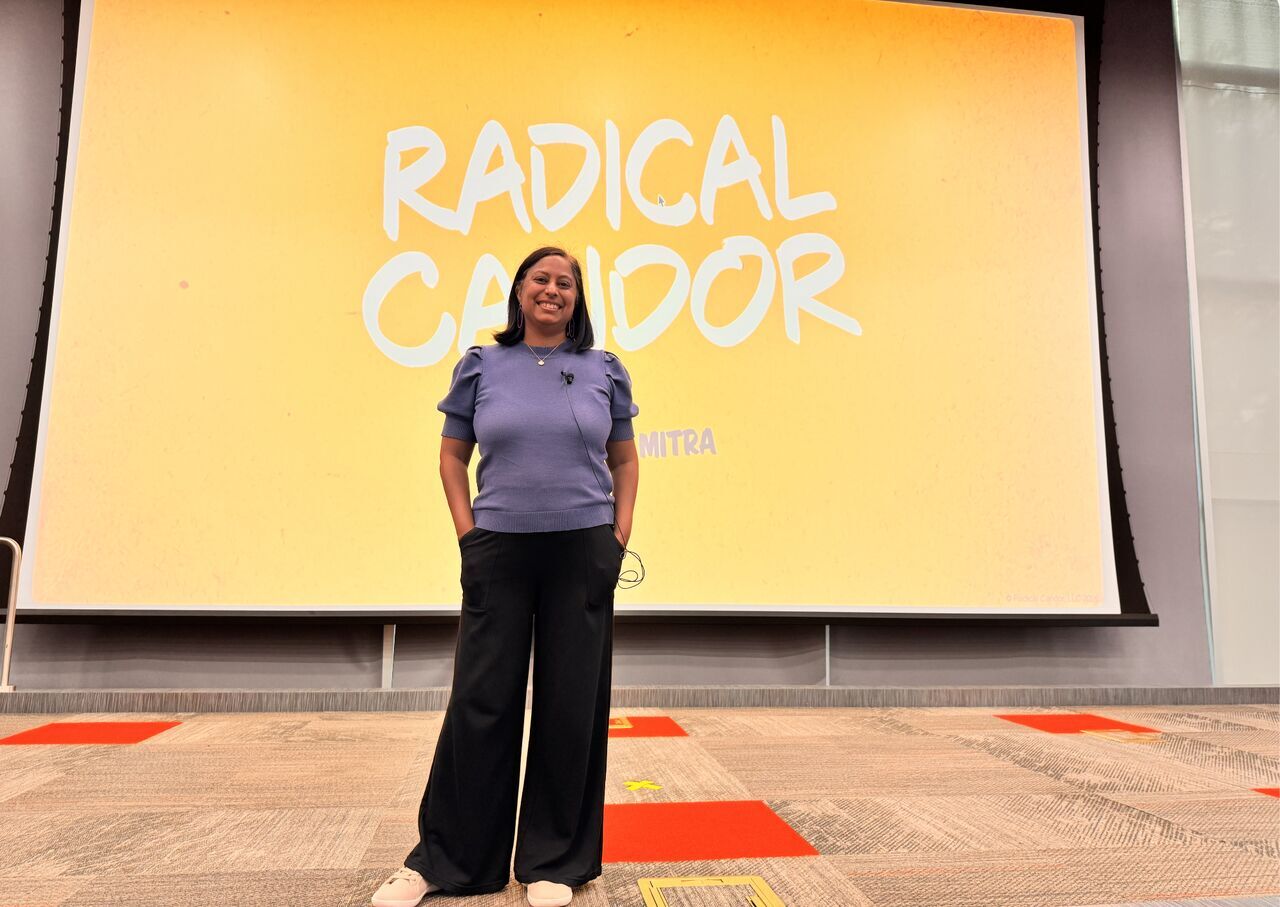
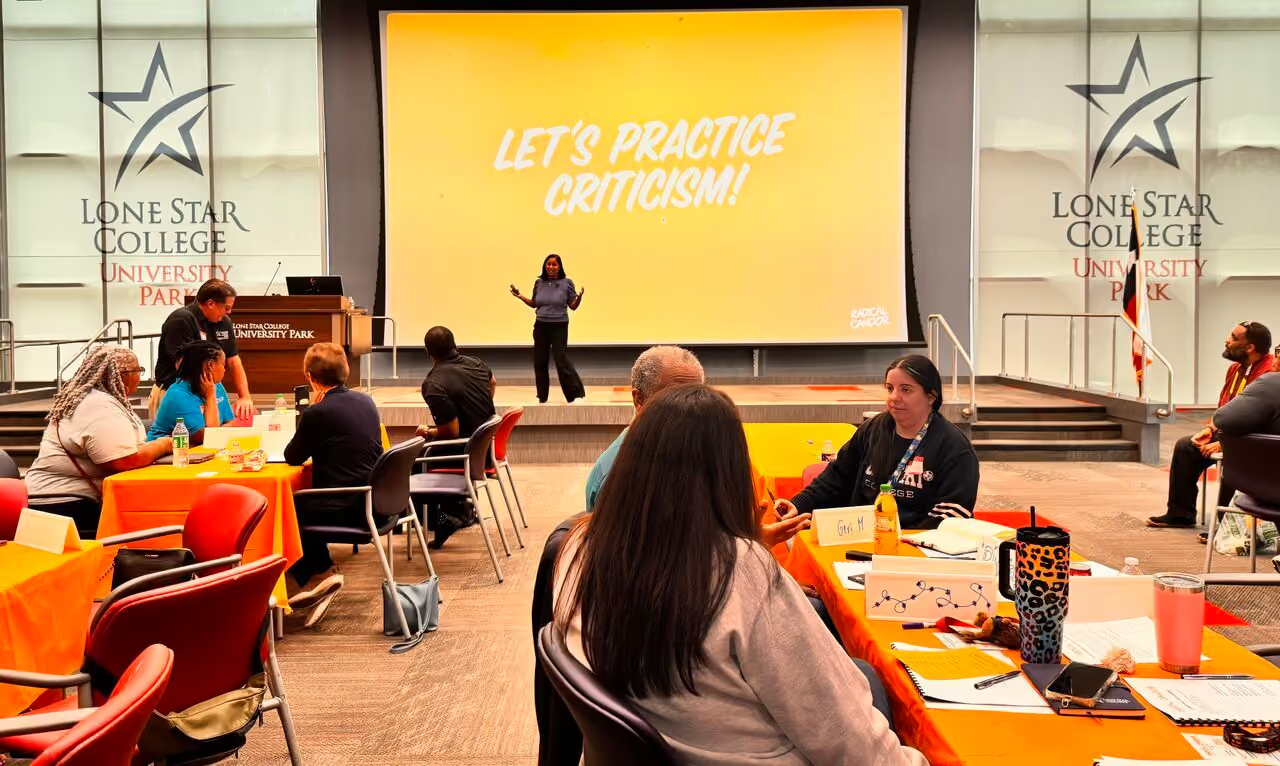
Farrah Mitra helps senior leaders prepare for those moments with both the mindset and the practical skillset to handle them well. Her approach is grounded in real leadership experience, not theory. Twelve years at Bain & Company as a strategy consultant, then Sr. Director of People and Culture at Medallia and VP of People at Alto Pharmacy, means she has delivered the conversations she now coaches leaders through. Every tough conversation, including performance reviews, layoffs, and reorgs, she has delivered them all. Not read about them. Delivered them.
Leaders often spend more time worrying about the other person's reaction than preparing for the conversation itself.
Will they get defensive? Will they disagree? Will I damage the relationship? Will I sound too harsh? Will they think I am a bad leader?

How to Prepare for a Difficult Conversation
Preparation is not about writing a perfect script. It is about getting clear on what needs to be communicated, what outcome you are trying to create, what the other person may need from you, and how you want to show up.
Start with the facts. Separate what actually happened from assumption and interpretation. Ask yourself three questions: what do I actually know, what am I assuming, and what does the other person actually need to understand. Then decide what success looks like. A hard conversation does not have to end with the other person feeling happy. Sometimes success is clarity. Sometimes it is understanding. Sometimes it is simply agreement about what happens next. Define the outcome before you walk into the room, not after.
The goal is not to make a hard conversation easy. The goal is to make it possible to have the conversation with clarity, confidence, and care, and to leave the room with the relationship intact.
What Leaders Get Wrong
Two patterns show up again and again. Some leaders hide the message behind so much empathy that it becomes unclear what is actually being said, and the person walks away without understanding what needs to change.
Others go so direct that the person never feels heard, and the relationship takes the hit. Neither works.
You can care about someone and still be direct. Empathy does not mean making the message vague, and vagueness is not kindness. It just moves the damage to later, when the same conversation has to happen again because nothing actually landed the first time.
Think About the Person Receiving the Message
You are preparing from your own perspective, but the other person will experience the conversation from theirs.
Consider what they are likely to hear, what may surprise them, and what they will need in order to move forward afterward.
A useful phrase can help you start, but do not borrow someone else's voice. The goal is language that is clear, honest, and authentic to you, not a script that sounds like it came from somewhere else. The relationship stays intact when the words sound like you meant them.
The Discipline Behind It
No pedestal, no lecture.
The work happens beside the leader, not above them, as a thinking partner who has sat in the same seat, made the same hard calls, and carried the same weight.
Nothing taught here is theory. Everything has been tested in real rooms with real stakes, layoffs, reorgs, performance conversations included. If it does not work on a Monday morning under real pressure, it does not make it into the work.
What Makes This Different From Generic Advice
Most advice on hard conversations comes from people who have not delivered many of them, or who delivered them in a context very different from the one you are in.
Twelve years at Bain & Company gave Farrah exposure to how the best operators in the world handle pressure.
Building the People function twice, at Medallia and at Alto Pharmacy, gave her the actual scars: the layoffs delivered in person, the performance conversations that did not go the way she planned, the moments where the script broke down and she had to think on her feet in front of a room that was watching closely. What is taught here comes from what she actually learned in those rooms, not from a theory of what should work.

How Long Does It Take to Get Better at This
There is no single number, but the pattern is consistent.
Leaders who apply the framework deliberately, facts, mindset, delivery, to even three or four real conversations tend to report a noticeable shift: the dread does not disappear, but it becomes manageable, and the conversations themselves start landing the way they intend rather than going sideways.
This is not about becoming a naturally gifted communicator. It is about replacing improvisation with a repeatable process, the same way any other skill improves with deliberate practice rather than hoping talent shows up on its own.

Your leaders are
carrying more than they need to. Let's change that.
High-performing leaders do not need more pressure. They need the confidence, clarity, and practical tools to lead difficult moments without burning themselves out. That work starts with a 30-minute conversation.