


There is a conversation a leader has been avoiding. A performance issue that has been sitting on the table for months. Feedback that is overdue. A restructure announcement the team deserves to hear clearly. The longer it waits, the heavier it gets, and the more damage it does to trust, culture, and the leader carrying it.
Executive communication coaching exists for exactly this situation: not general leadership development, but focused work on one specific high-stakes conversation a leader cannot afford to get wrong.
One conversation, prepared properly, can undo months of dread.
Why Leaders Avoid the Conversation
Here is what shows up consistently in coaching: leaders do not avoid hard conversations because they do not care about the outcome or the people involved. They avoid them because nobody ever taught them how to do it well, with clarity, with empathy, and without damaging the relationship in the process.
Most professional development focuses on strategy, execution, or technical skill.
Very few leaders receive real, structured coaching on how to communicate the moments that carry the most risk. This gap becomes most visible exactly when the stakes are highest, which is the worst possible time to be figuring it out for the first time.

What Makes This Different From General Coaching
Executive communication coaching is not about developing leadership skills broadly. It takes the specific situation a leader is facing, applies the Communicating Change Framework to it directly, and builds the actual language with the leader until it sounds like them.
Not a generic script. Their words, for their specific person, in their specific context.
This specificity matters. General leadership development is valuable for building long-term capability, but it rarely prepares a leader for the exact conversation they are dreading next week. Executive communication coaching closes that gap directly.
What the Process Actually Looks Like
The work starts with the specific situation, not a theoretical framework applied in the abstract. What is the exact conversation. Who is involved.
What is at stake. What has stopped the leader from addressing it already, since the answer to that question is usually where the real work begins. Fear of the reaction, uncertainty about the message, worry about the relationship, naming the actual block is the first step to moving past it.
From there, the work applies the three-step Communicating Change Framework: identifying the facts clearly, checking mindset, both the leader's own readiness and genuine empathy for the other person, then planning the actual delivery, including how to open the conversation and how to handle it if it becomes difficult.
Results That Actually Hold
One leader described the outcome this way: "You just helped me resolve six months of worry in a 30 minute coaching session." That is the standard this kind of coaching is built to meet.
Not insight that fades by the following week, but a mindset shift paired with language a leader can actually use, walking into the room with confidence rather than dread.
The measure of success is not that the conversation becomes comfortable. It is that the leader walks in prepared rather than avoiding it further, delivers the message with clarity and care, and the relationship stays intact afterward, even when the content of the conversation itself was difficult.
What a Typical Session Actually Covers
A session usually starts by naming the specific conversation in concrete terms: who it is with, what has already been said or not said, and what deadline or moment is forcing the issue now.
From there, the work moves into identifying what has actually stopped the leader from addressing it already, which is often not what the leader initially assumes it is.
A leader who thinks they are avoiding a conversation because they are "too busy" often discovers, once pressed gently, that the real barrier is fear of a specific reaction from a specific person. Naming that accurately changes what kind of preparation actually helps.
Why One Conversation Can Be Worth More Than Months of General Coaching
General leadership development compounds slowly, over months and years, and its value is real but diffuse.
Executive communication coaching produces a different kind of return: a single conversation, prepared for properly, can resolve a situation that has been costing a leader sleep, focus, and organisational trust for months.
The leader who described resolving six months of worry in a thirty-minute session was not exaggerating for effect. When the actual barrier is fear or uncertainty rather than a genuine skill gap, naming it clearly and building a concrete plan can collapse months of avoidance into a single, well-prepared conversation.

Operating Experience Behind the Coaching
Twelve years at Bain & Company, then Sr.
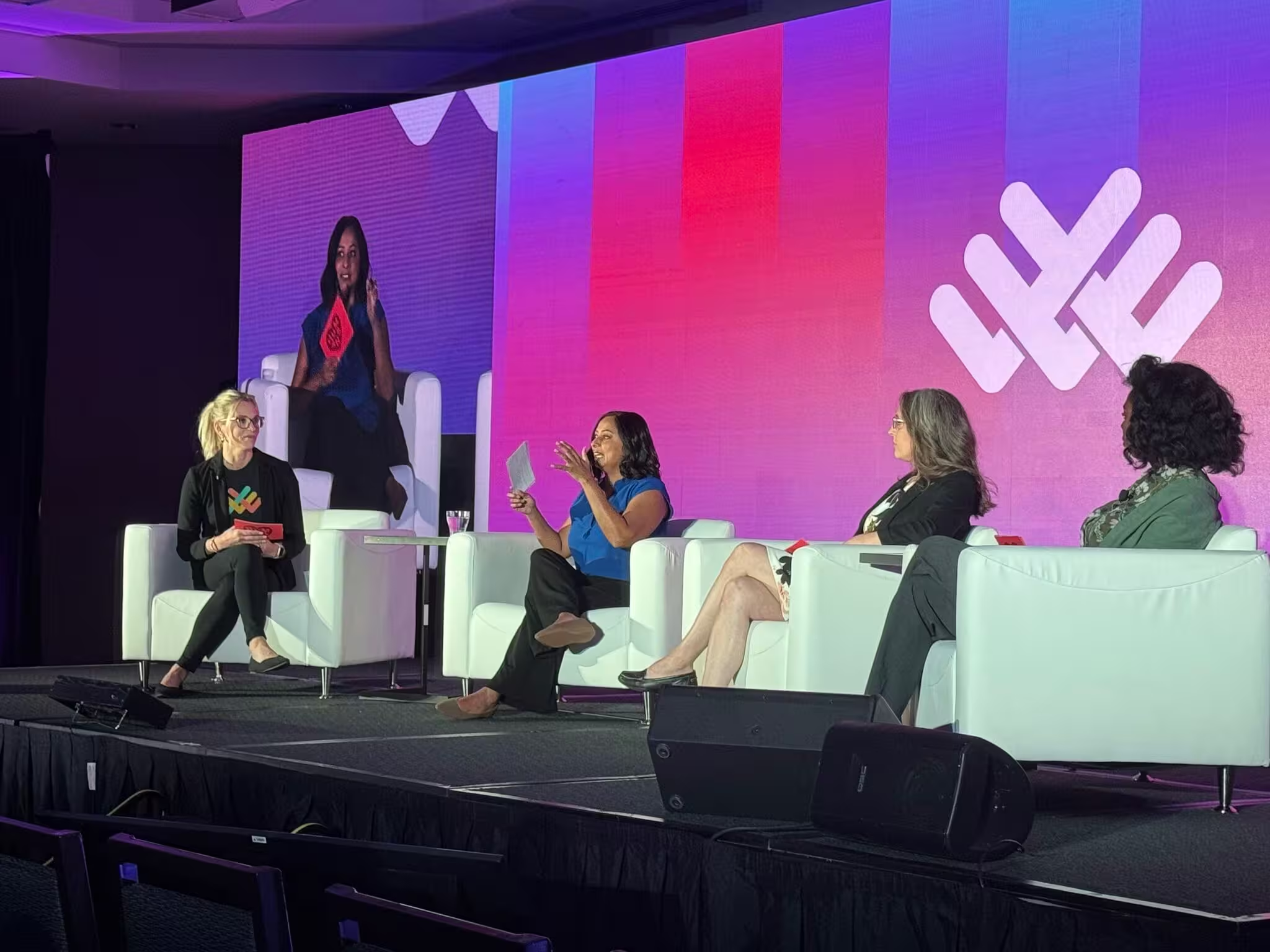
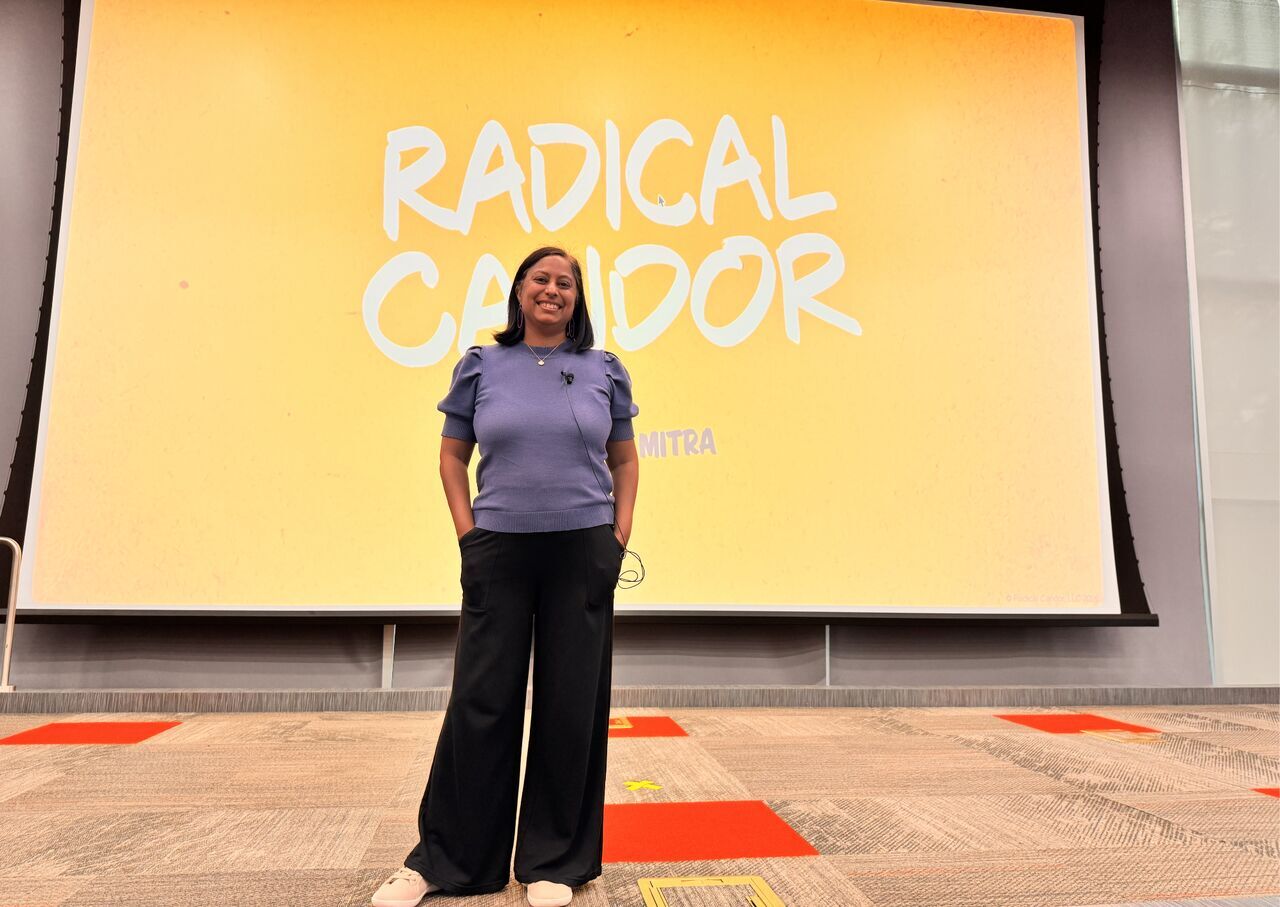
Director of People and Culture at Medallia and VP of People at Alto Pharmacy, means Farrah has delivered these exact conversations herself, including performance reviews, layoffs, and reorgs.
This is not coaching from theory. It comes from someone who has sat in the same seat and made the same hard calls, which shapes how the coaching actually works in the room.

Your leaders are
carrying more than they need to. Let's change that.
High-performing leaders do not need more pressure. They need the confidence, clarity, and practical tools to lead difficult moments without burning themselves out. That work starts with a 30-minute conversation.